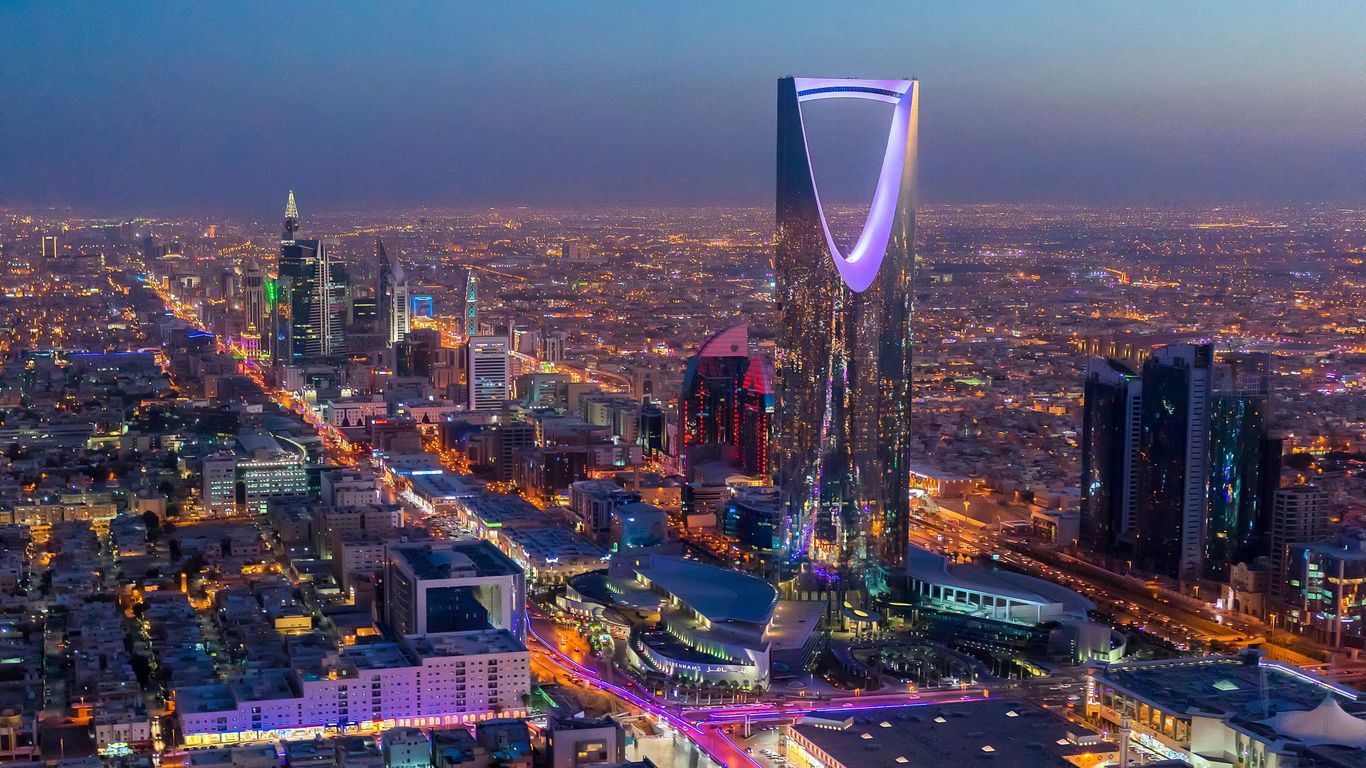
Riyadh didn’t become a startup ecosystem overnight. It’s rooted in a long history of adaptation and reinvention; a story about shifting from desert trade routes and tribal politics to oil wealth and now trying to crack the code on innovation-led diversification. To understand why Saudi Arabia, and Riyadh startups in particular, is increasingly attractive to founders, investors, and global innovators, we have to start with that arc.
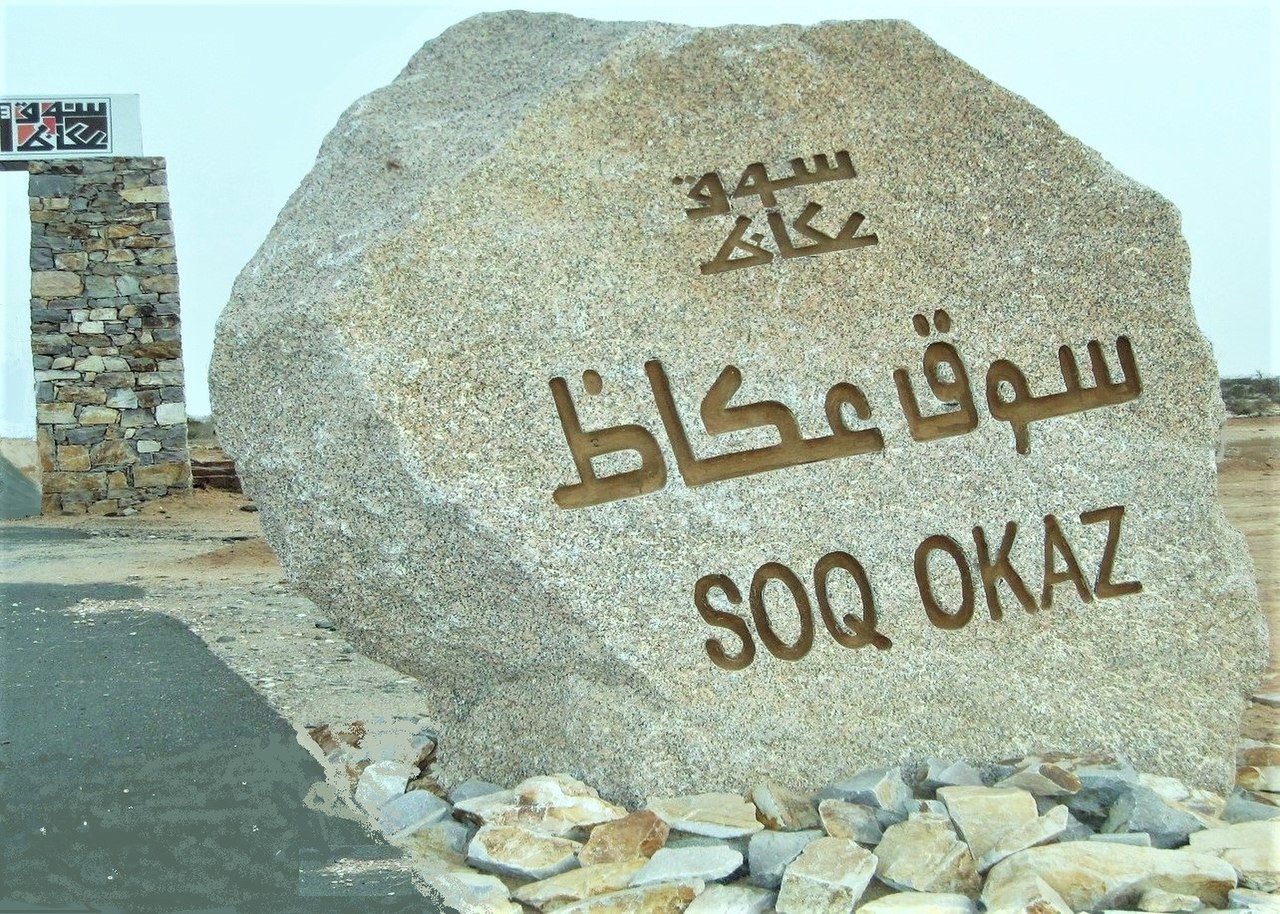
Long before Vision 2030 existed, the country’s plan for an ambitious nation, a thriving economy, and a vibrant society, what we now call Saudi Arabia was a set of tribal regions connected by pilgrimage routes and seasonal markets like Souk Okaz, historically, one of the largest annual fairs in that drew traders and poets from across Arabia. Marketplaces weren’t just commerce; they were early forms of knowledge exchange and creative problem-solving
When the modern state was unified in 1932 under King Abdulaziz (at the end of a century of conflict and reconsolidation) the country’s future was monetized on a single resource: oil. The discovery of commercial oil at Dammam No.7 in the Eastern Province in 1938 ushered in an era where raw capital trumped innovation culture. For decades, economic returns were mostly about extraction and export, not idea creation.
Fast-forward to the 21st century and that old model starts to look like a trap: economies rooted in a single commodity rarely develop the resilience or creative risk-taking culture that vibrant ecosystems need. Much like my experience in Texas, the culture that emerges from the wealth of natural resources tends to mature into a creative class of artists, innovators, and entrepreneurs. Saudi Arabia’s leadership recognized that, and Vision 2030 is the Kingdom’s playbook for rewriting its future. It’s an ambitious economic diversification strategy built around three pillars.
More than three pillars in Vision 2030, three challenges, identified by the Saudi government, drove appreciation of it being time for economic and regulatory change:
- Lack of good deal flow – Investors struggling to find good startups to invest in at pre-seed, seed, series A.
- Cost of building is high – Due to oil and government industries, we have a risk aversion driven by the comfort of great jobs.
- PR without real results – Much of what I refer to as startup theater in this, events to make announcements, announcements to promote events.
Part of that transformation has been cultural, not just structural. Saudi society has been opening up to modern creative industries while still preserving tradition. The rapid expansion of arts, music, and cultural sectors is not superficial feel-good policy, it’s part of a broader attempt to shift social norms toward creativity and experimentation. It feels familiar.
Article Highlights
Saudi Arabia Isn’t Starting from Zero with Innovation; It’s Reclaiming a Deeper Intellectual Tradition
If you step back into early Islamic history, the Arabian Peninsula wasn’t devoid of innovation. It was part of a broader intellectual ecosystem that produced monumental advances in algebra, optics, and astronomy. Scholars transmitted Arabic numerals and algebra to medieval Europe, deeply influencing the Renaissance.
Modern Saudi Arabia doesn’t directly inherit those medieval scientific institutions, but there’s symbolic value in reclaiming that history. It signals that the Kingdom’s leaders view innovation not as a Western import, but as compatible with local identity. That’s why statements about turning Riyadh into a global hub for AI and innovation resonate with deeper cultural lineage rather than being superficial slogans. It’s a reframing.
Riyadh’s Startup DNA: Infrastructure, Capital, and Policy All Moving Together
Riyadh isn’t just emerging, it’s exploding. According to the 2025 Global Startup Ecosystem Report, Riyadh jumped 60 places to rank 23rd globally as a startup ecosystem, now third in the Middle East and North Africa for startup funding. Over $2.6 billion in venture capital has flowed into Saudi startups since 2018, with Riyadh serving as the primary node of this growth.
You need capital, regulation, and market demand moving in the same direction for startup ecosystems to take off, and that rarely happens. Saudi Arabia has done that. VC activity has ballooned; Saudi Arabia captured nearly half of all Middle East and North Africa (MENA) venture capital funding in 2023, up from less than 15% five years earlier.
Part of this shift comes from systematic ecosystem building, not just capital infusions, but structures that actually support risk-taking. The Saudi Venture Capital Investment Company functions as a fund-of-funds, seeding VC and PE funds and backing hundreds of startups alongside private investors. Jada, another Public Investment Fund of Saudi Arabia (PIF) entity, manages around $1 billion in VC/PE capital, and Saudi Fintech initiatives are designing regulatory sandboxes and frameworks to catalyze innovation.
As you well know, capital alone doesn’t make an ecosystem, in fact it follows. Saudi Arabia has also built physical and institutional infrastructure like Digital City in Riyadh; a tech park that hosts multinational tech operations alongside local innovators and connects talent with resources.
Native Innovation: Companies That Show What’s Possible
The narrative that Saudi Arabia is merely a capital engines market is collapsing under real examples of Saudi-led innovation. Humain, established in 2025 by the Public Investment Fund with ambitious AI infrastructure goals, is a Saudi-born AI company partnering with Nvidia and others to build a major data center and AI stack.
Startups like Reachware, a Riyadh-based automation and systems integration company, have raised seed rounds and secured market traction in automation and cloud services.
Saudi-based VC players like Nama Ventures are backing early-stage startups across fintech, proptech, and tech sectors, and these aren’t vanity plays; they are real, revenue-oriented portfolios investing across MENA.
Add in the emerging SME brands going national, from bakeries scaling across regions to digital-native businesses benefiting from improved logistics and digital infrastructure, and you see an ecosystem spreading beyond Riyadh. That’s real organic growth, not just headline chasing.
Economics, the Saudi Government, and the Macro Narrative
Saudi Arabia’s narrative right now is: diversify or stagnate. Oil still dominates GDP, but Vision 2030 explicitly ties entrepreneurship to economic sustainability, job creation, and global competitiveness.
At the macro level, the government plays a dual role: regulator and seed investor. It’s not just about laws on paper; foreign entrepreneurs can now own 100% of their companies and there’s a concerted effort to simplify licensing and reduce bureaucracy.
That’s a major departure from decades when local sponsorship laws and opaque regulatory models were barriers to entry. That reform alone changes risk profiles and attracts international founders, as well as capital. And Saudi Arabia isn’t shy about using its sovereign wealth footprint to catalyze ecosystems: the Public Investment Fund alone manages hundreds of billions with a strategic objective to invest domestically and globally.
Saudi Startup Development Organizations and Funding Sources
Tour the Saudi ecosystem – Here are the actors actually shaping it:
- Saudi Venture Capital Investment Company SVC): Government-linked fund-of-funds seeding VCs and co-investing in startups and funds.
- Jada: PIF’s VC/PE arm with ~$1B under management to boost the ecosystem.
- Fintech Saudi: Regulatory and ecosystem builder for financial innovation.
- Angel networks and accelerators: Often co-backed by SVC and private partners (e.g., Sanabil 500).
- Digital City and specialized tech hubs: Physical infrastructure that attracts multinational and local innovators.
- Private VCs like Nama Ventures: Providing genuine early-stage capital across sectors. International partners and global funds: Including Google backing STV’s AI investment efforts, and AWS’s AI zones under construction.
This blend of sovereign funds, domestic VC, angel capital, and global partnerships is unusual for a place that historically had almost no VC infrastructure just a decade ago.
Ten Strategic Ecosystem Building Considerations; What Riyadh Gets Right and Where It Still Struggles
- Overcoming Silos and Shared Infrastructure. Riyadh has made big investments in shared tech parks and events, but the community still feels curated by large institutions. Organic grassroots tech communities are growing, but they’re younger and less networked than in Silicon Valley or Berlin.
- The Missing Middle. Saudi Arabia has strong seed and late-stage interest, but mid-stage Series A/B funding is still thin, meaning many companies stall between proof of concept and scaling.
- Long-Term Funding and Incentives. PIF and government vehicles provide patient capital, but private LP confidence is still developing; more pension funds and corporate LPs need to buy into early-stage risk.
- Outcome Measurement Versus Activity. Riyadh loves numbers: events, registrations, funds announced, but measuring economic impact (jobs created, revenue generated, global reach) still needs better public data.
- Culture and Natural Collaboration. Saudi culture values hospitality and relationship building, but the innovation community is still learning how to collaborate across sectors without top-down mandates.
- Including the Full Talent Spectrum. Vision 2030’s social reforms have expanded opportunity, but real inclusion will require persistent structural change (which, gratefully, is in progress).
- Architecting High-Performance Environments. Investment in coworking spaces and innovation districts is strong, but integration with research universities and deep tech labs is still emerging. This is, frankly, something everyone needs to do because university commercialization is not moving forward from traditional business models that have left research languishing.
- Aligning Government, Academia, and Private Sector. Vision 2030’s frameworks exist, but institutional silos remain; aligning incentives across these sectors is an ongoing challenge which means it’s also an opportunity.
- Accelerating Innovation and Reducing Risk. Programs, like regulatory sandboxes are promising, but the real test is whether founders can fail fast and iterate; cultural tolerance for failure is still maturing.
- Adapting Global Best Practices to Local Realities. Saudi Arabia has been smart importing frameworks (e.g., sandbox regulation, VC fund models) but sincerely adapting them to local norms rather than copying them is an active process, not yet a solved one.
Riyadh Startups’ Strengths and Gaps
Riyadh’s strength is that capital, policy, and ambition are moving in the same direction. That alignment is rare and historically why ecosystems in Africa, Latin America, and Asia often stagnate. Riyadh looks like a mature ecosystem on day one because it has sovereign wealth backing and top-down coordination. But that’s also its Achilles’ heel: ecosystems that feel built from the top can struggle to create bottom-up cultural norms of risk taking and iterative learning that make true startup cultures resilient.
Riyadh is proving it can attract founders and capital. What it now needs is to let the ecosystem breathe, let founders fail without stigma, let mid-tier capital form without state guarantees, and let universities spin out startups without bureaucratic friction.
Saudi Arabia is no longer a dark horse. It’s a contender. But it’s still learning how to run the race, not just fund it. The next decade will tell if Riyadh can sustain innovation in a way that isn’t dependent on sovereign backstops but driven by market-led, risk-tolerant entrepreneurial energy.
If you’ve been watching Riyadh from the outside, the provocative question now is: does Vision 2030 end up creating an ecosystem people live in, or just an ecosystem they invest in? That’s the test every founder and investor should be watching.