
In my last piece, The Startup of You, I wrote about how the real venture we’re building isn’t the company, it’s ourselves.
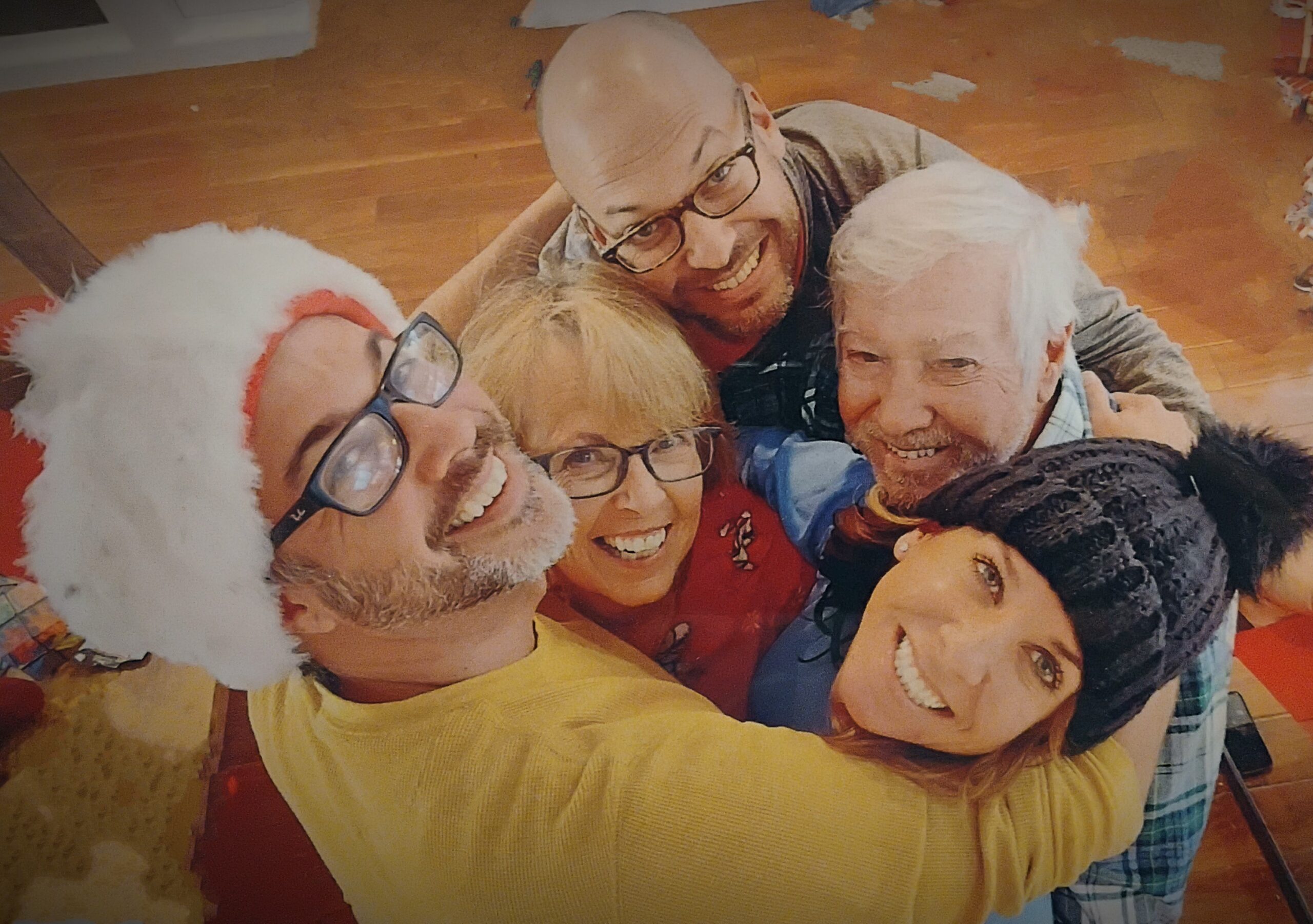
As our long weekend comes to an end, my parents boarded a flight home after visiting; and as my daughter steps into new projects and fresh chapter of her own, my mind turned to something related but deeper:
Second chances.
Not in the sentimental sense.
Not in the “rewrite the past” sense.
But in the disciplined, earned, second time-around sense.
In venture capital, we see a lot of obsessions over firsts.
First movers.
First checks.
First rounds.
First traction.
But the people who’ve actually built something durable know a quiet truth:
The second time is where the magic lives.
The first time is chemistry.
The second time is clarity.
The first version of a company is adrenaline and instinct. You’re building from urgency; you’re reacting, you’re proving something, and you’re fighting for oxygen.
It’s raw. It is electric and it can be unforgettable.
But it’s rarely stable.
The second version is different.
The second version knows what broke the first one. It knows which partnerships felt aligned and which were forced. It knows which hires were ego and which were energy. It knows the difference between momentum and noise.
Second-time founders don’t move faster.
They move intentionally.
They build with restraint.
They hire with intention.
They protect culture more than optics.
And most importantly, they understand something that first-timers can’t:
Sustainable things are built from calm, not chaos.
There’s a myth in startups that lightning can’t strike twice; that once the moment passes, it’s gone. That the early, wild days are the only real days.
It’s wrong.
Lightning doesn’t disappear.
It just becomes infrastructure.
The second time isn’t about recreating the high of the first, it’s building something that can carry that energy without collapsing under it.
We talk a lot about pivots in venture. We talk about product-market fit. We talk a lot about timing.
But sometimes what actually changes between version one and version two isn’t the market.
It’s the founder. The you and the me.
You’ve seen more.
You’ve endured more.
You’re less reactive.
You don’t need applause to know something matters.
And that shift makes everything possible.
When people ask me what separates companies that endure from those that burn brightly but fade, it’s rarely capital, never distribution, and really isn’t even talent.
It’s maturity.
Not age.
Maturity.
The willingness to rebuild without bitterness.
To try again without pretending nothing hurt.
To stay open without being reckless.
The best companies I know weren’t accidents.
They were evolutions built by people who had already learned what didn’t work and decided not to become cynical about it.
That’s a rare trait.
And it’s the one that compounds.
The first time is momentum.
The second time is mastery.
And mastery is where meaning gets created.


Wishing your sweet daughter success in her new chapter!
Thank you Anna!
Nicely said
Loved this reflection on the “second time” as mastery rather than a do-over.
It made me curious: if you were to distill one practical habit that turns that second-time calm into daily behavior for a founder, what would it be?
Thank you Alex Randall Kittredge because the undertone here is me trying out a different way to help founders understand that the average age of success is 44.
That, the startup ecosystem is really struggling with the balance between encouraging and supporting everyone trying, with the fact that at 20, your odds of success are not the conventional wisdom (1 in 10) but more like .001%. And that by ignoring this, we aren’t really helping founders because we COULD be pushing younger entrepreneurs in a different direction than the 40-year-olds; but we don’t.
So perhaps what works better is this… 44-year-olds have likely already tried and failed. At 20, with your first, you’re going to fail. Now, let’s work to mitigate that.
This post was more validation for what we are building with my second company. Your words struck true to me and exactly what I needed to hear today. It’s amazing what 20 years of industry knowledge can do, along with the maturity you speak of. However, I can tell you that my age actually does make a difference. At 54, the one thing I have over other founders on the “second” time around is that my lived experience is invaluable.
Age makes a difference that can’t be replicated. Agreed. People don’t like hearing “age” being an issue though, it’s not sociallty acceptable so I’m exploring other ways to convey the data.
Why is still really what it’s about more than this Second Time Around thought? Experience + network + wealth. That’s why older founders succeed at much greater rates; but that can be discouraging or ageist (apparently).
Still, if we don’t know and base reality on the facts, we can’t truly help. What might help younger people? Grow bigger networks. If we can’t hand younger founders wealth and experience, we can push harder on what else they lack
Thanks for making the framing even more explicit! I coach startup founders and I love working with younger founders because there is so much they don’t even know they don’t know! I can see your point about 0.001% chance of success. It seems much more likely when you have the 44 years of life experience that a mid-life entrepreneur would have.
All true.
What is also true is that entrepreneurs had lives before they took the leap and therein is another story.
Before grad school, business, and entrepreneurship, I had been in the Vietnam War Era Army and had had the great privilege of serving in the Army combat engineers wherein I had been a company commander.
Everything I ever needed to know to start and run a business, I learned in the combat engineers as a young officer.
In my business career, I had great success hiring people who had gone to a military school, served in the combat engineers or other combat arms, and had an MBA.
It was a formula that worked well for me.
I feel empathy for people starting businesses who have had no meaningful training or background in leadership. It’s infinitely harder.
Absolutely!
This is very true, I was just telling our Dev Ops that ppl love our 2.0 version cos its built from mastery of the data and insights from the first version.
Likewise, most first year as a startup are lyk that, the second year mostly serves as mastery to build the needed infrastructure to scale properly which can only be achieved from the knowledge obtained in the first year.